
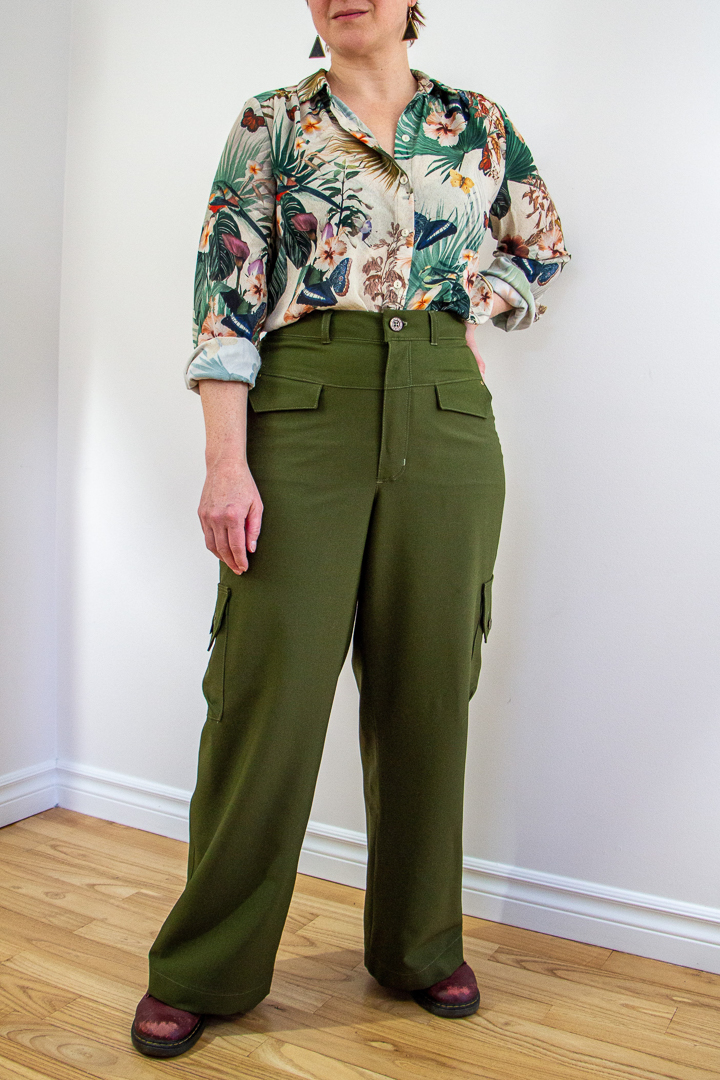
The Miss Nickel is a cargo pant pattern with a unique front yoke and a HUGE variety of pocket styles.
Category: Tutorial
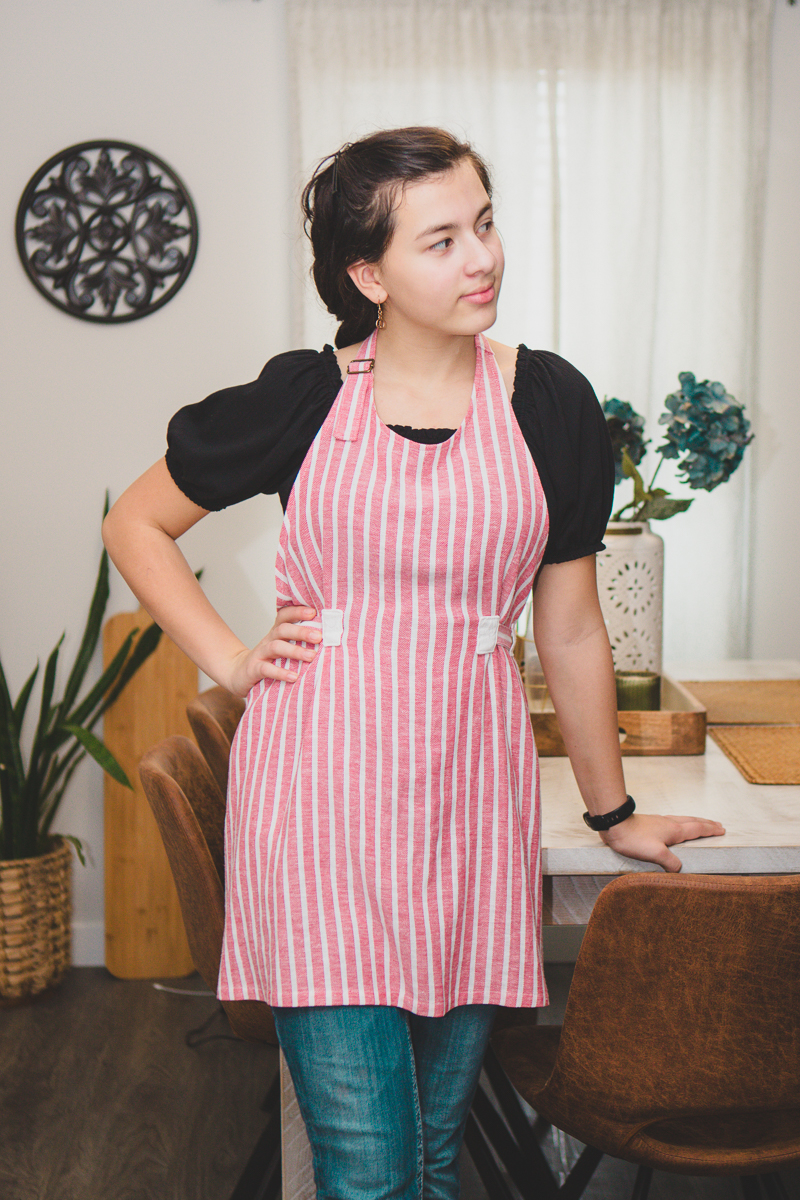
Poppy Apron
An apron is pretty basic piece and I didn't want to spend time creating a pattern that had already been done many times before. I mean, what do we really need? Some fabric on the front of us and some straps to keep it in place, right? I spent a significant amount of time looking through inspiration and then specifically at aprons online hoping to find some connection that wasn't already done.

Making More of Miss Fern
Today we have Parts 2 and 3 that are designed to go together with the Miss Fern for a variety of summer dresses.

A Half-Zip Clover Hack
We have a special guest that has been testing for us for awhile now who has created a hack for Clover that we think you might enjoy.

Size it up…..a bit.
I wanted to give you some tricks on how to add a few sizes to a pattern that is now too small.

A No-Twist Elastic Waistline
Who here can NOT stand twisted elastic bands?? I see all the hands up. I'm with you. It's ridiculous and annoying and too often becomes a piece of clothing that doesn't get worn. We want clothing that we can be comfy in and don't need to adjust every so often.

The Bag With a Mission
I’m so excited to introduce the Balsam Bag from Sofiona Designs! This pattern has been a true labor of love, and has taken months of work from many minds and several hands to be brought into existence.
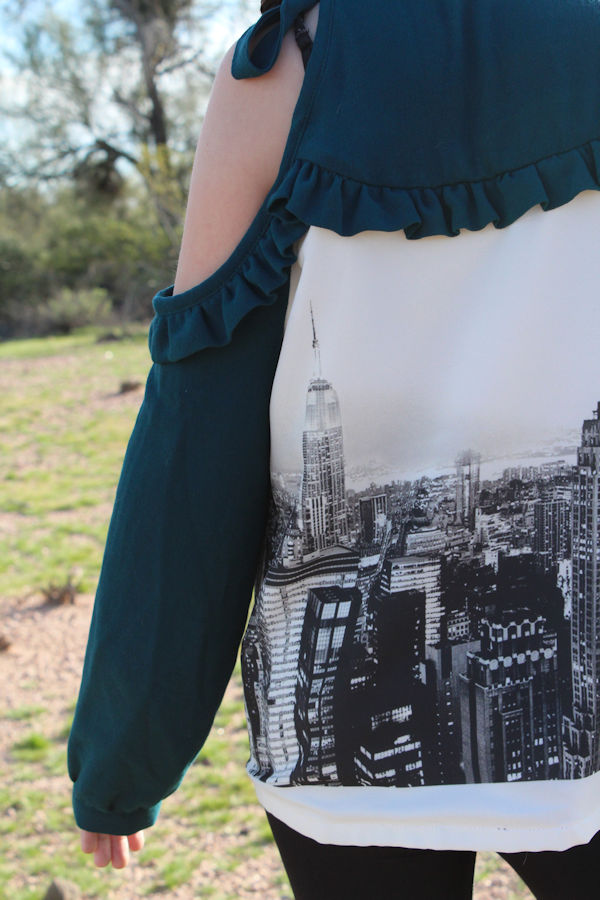
Using a Patterns’ Lengthen/Shorten line
We're going to show you how to use a pattern's lengthen/shorten line to obtain the length you need for your special fit.
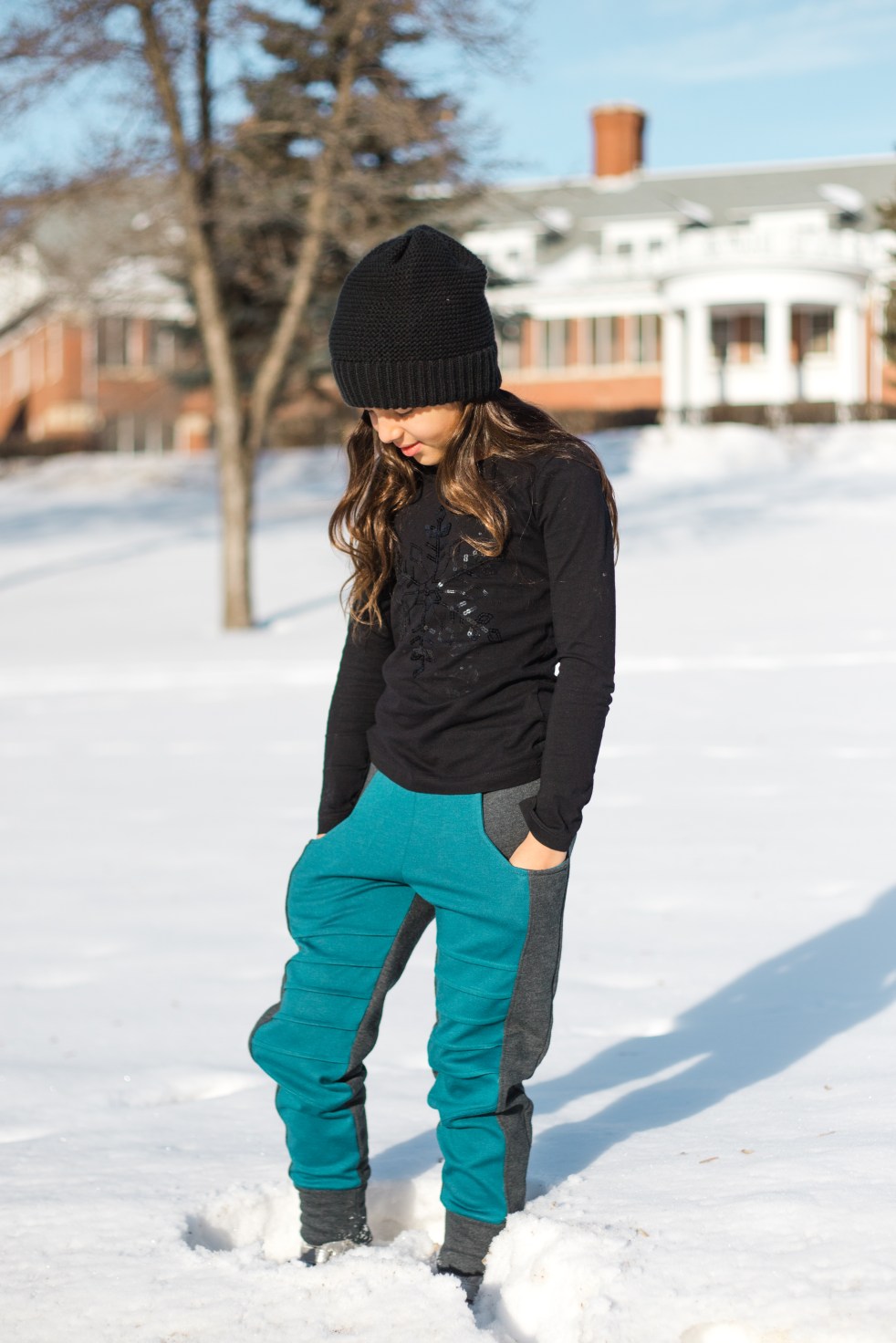
Quartering Necklines, Cuffs, Ruffles Etc.
In the case of the bands/cuffs you will need to stretch them to match their corresponding pieces. But how can you be sure you've stretched them evenly across the garment? And gathered skirts/ruffles (as the name implies) need to be gathered down to size to match their corresponding pieces. Again - how can you be sure to gather and distribute them in more even amounts?
Preparing Bias Tape
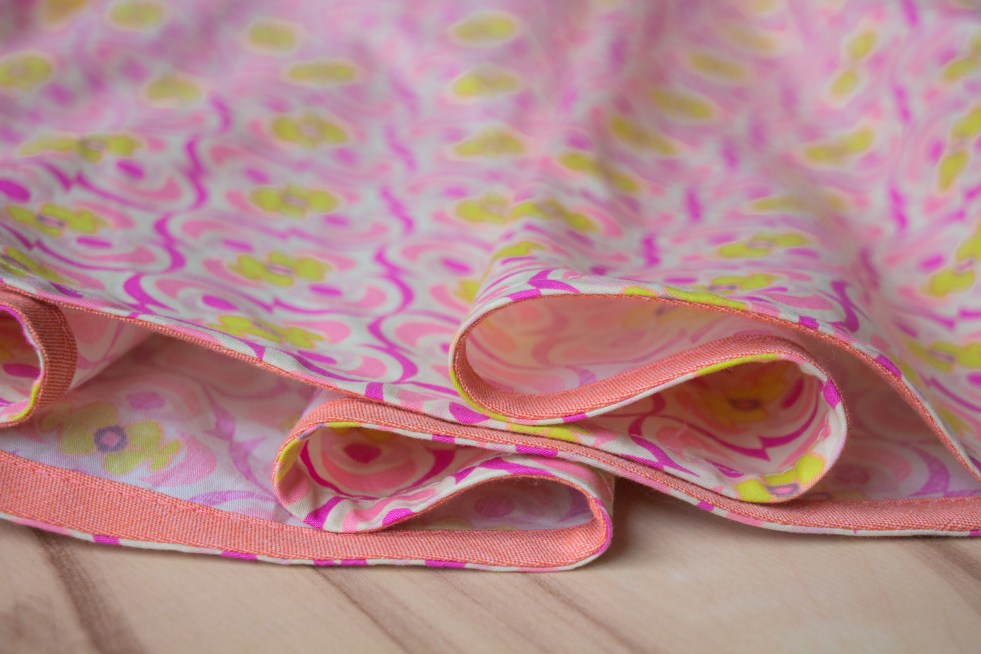
We have two basic methods for preparing bias tape. (In our example we are making 1 1/2" tape; which refers to the overall width of the bias fabric strip before folding, however this same method can be applied to any width of bias tape.) Both methods work well when you either have only smaller sections of fabric to work with, or don't want to cut across the bias of an entire length of fabric. Small bias strips can be combined to create one longer section of bias tape.
 I am Mami de Sofiona